

Homosexual traits have been observed in various species of animals. This ranges anywhere from same-sex parenting to pair bonding and sexual activity, among others. When speaking of animal behavior, it should be kept in mind that the term “gay” is a human construct.
How animals behave does not fit into the human-defined sexual orientation because animals have traits that serve purposes beyond reproduction. These include social bonding, playing, and hierarchy establishment.
Can Animals Be Gay?
While it’s true animals sometimes engage in same-gender interactions, being gay strictly implies a preference, which isn’t the case for animals. In animals, same-sex interactions are more fluid and do not, by any chance, reflect an orientation. Rather, they do this depending on social, environmental, and sometimes situational factors like social bonds and limited access to the opposite sex.
Can Dogs Be Gay?
Some dogs have been observed to exhibit same-sex mounting, sniffing, and other behaviors considered gay. However, being exclusively homosexual is rare, even for different animals. This is more play and social bonding than exclusive attraction among the species.
Can Cats Be Gay?
Cats, especially in domestic households, may show some same-sex behavioral patterns like grooming and mounting. These behaviors are mostly just innocent bonding or just playing rather than a sign of same-sex attraction.
Are Any Animals Actually Gay, or Are They Just Bisexual?
Oftentimes, animals are considered bisexual in the human sense because they lack the fixed exclusive same-sex preference. Most animals engage in both same-sex and opposite-sex behaviors at different times. Same-sex behavior is mainly attributed to social dynamics, and opposite-sex interactions are primarily related to mating and reproduction. Hence, the term fixed attraction cannot be used.
Are Hyenas Gay?

Hyenas are known to engage in homosexual displays. The female spotted hyenas have a pseudo-penis that is simply an elongated clitoris. They use it to urinate, copulate, and also give birth. Because of this trait, hyenas were thought to be hermaphrodites. In an all-female setup, the pseudo-penis assert dominance while they mount on the other females.
Why Do Male Lions Mount Each Other?
Male lions, from time to time, mount each other, making it look like same-sex behavior. This happens between male lions within a pride who bond and work together. They do that for several reasons, such as to display dominance, bond, and help establish a hierarchy. It can also be used to solidify the alliance that keeps them in control. It is not necessarily for any sexual intent.
What Mammal Has the Highest Homosexuality Rate?
In the animal kingdom, among all the other homosexual primates, like monkeys and gorillas, the bonobos have the highest homosexuality rate. They utilize same-sex interactions to strengthen their bonds and reduce tensions. Female-female sex accounts for about 60 percent of all bonobo sexual activity.
They are reported to have the highest level of sexual activity as they use it to avoid conflict and divert attention. For example, if a cardboard box is thrown at them to play with, they will mount each other for a short while before going ahead and playing with the box.
List of Animals That Engage in Same-Sex Behavior
Below is a list of some animals with the most defined and prominent same-sex behaviors.
Dolphins
The bottlenose dolphins, both male and female, are known to engage in homosexual behavior, which includes some oral action. The males are basically bisexual, with periods of being exclusively homosexual. Dolphins also engage in cross-species homosexual behavior with other dolphin species.
Bisons
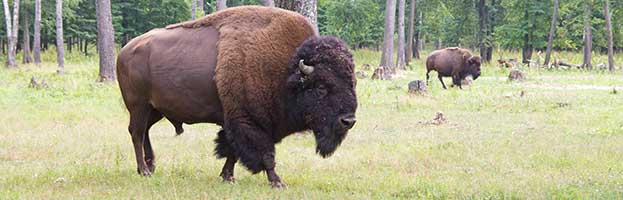
In bison, homosexual activity is more common than heterosexual practices of copulation. Full anal penetration has been observed in bulls, and mounting between two females has been observed. These mammals’ behavior results from hormones and is in sync with being on heat, especially with bulls.
Bats
Over twenty different bat species exhibit same-sex behavior. Homosexual behavior in bats includes mutual homosexual grooming with licking, cross-species homosexual sex, coercive sex, homosexual masturbation, mounting, and play. This is because, in some seasons, they are segregated by sex outside the breeding season, making it hard to access members of the opposite sex.
Rams
Domestic sheep, specifically rams, have been studied for their same-sex preferences. It has been observed that a proportion of rams exhibit sexual attraction and exclusive pairing with other males, with a small percentage showing little interest in mating with females.
Giraffes

In what is known as “necking,” male giraffes rub their necks against each other and mount each other. Recent studies have asserted that same-sex interactions among males can be more common than male-female interactions, as males spend significant time forming bonds with one another.
Japanese Macaques
Female macaques form close, temporary pair bonds involving mutual grooming, mounting, and companionship. These bonds often serve the purpose of reinforcing social hierarchies and creating alliances within the troop.
Laysan Albatrosses
In some albatross populations, female-female pairs are common, particularly when male numbers are low. These female pairs will bond, share nest-building duties, and jointly raise chicks from fertilized eggs to ensure a greater chance of survival for their offspring.
Black Swans
Male black swans occasionally form long-term pair bonds. Some even steal nests from females or briefly mate with a female to fertilize their eggs before returning to the male they’re paired with. They are together in defense of the territory and chick-raising, and they are more likely to do this successfully than some heterosexual pairs due to strong territorial instincts.
Penguins
Same-sex pairs are prevalent among penguins, and they are often males. Thus, for example, in a few species of chinstrap and Humboldt penguins, male couples build nests, incubate rocks like eggs, and even adopt abandoned eggs or chicks. These relationships may last several years, and same-sex couples may provide precious nurturing skills in their colonies.
Mallards
Occasionally, male mallards will pair up with other males during breeding season. These two males will engage in courtship displays, mount each other, and form pair bonds for the mating season when females are in short supply.
Pigeons
In pigeons, both males and females have homosexual displays. Female pigeons build nests, lay infertile eggs, and later try to incubate them futilely.
Lizards

Certain species of lizards, such as female whiptail lizards, have been observed performing homosexual courtships and mounting. These behaviors are believed to increase reproductive stimulation even though they are known to be parthenogenetic.
Fruit Flies
Males will court other males under certain genetic conditions or environmental influences. Scientists have used fruit flies extensively to study the biological underpinnings of sexual behavior and have found that genetic manipulation can lead to increased same-sex attraction.
Bedbugs
In the case of bedbugs, males will often engage in traumatic insemination. That is, piercing their partner to deliver sperm. The males are also attracted to just any newly fed bug, resulting in a couple of homosexual mounts. These behaviors are not related to sexual preference but to mating instincts and species-specific behavior.