
Dangerous animals often refer to those that can cause harm to another living organism or even kill it. The scale of the trait in an animal is usually attributed to its ability to cause problems or kill a human being. This article discusses the animals considered dangerous.
What Is the Most Dangerous Animal in The World?
Tiny as they are, mosquitoes are said to be the most lethal animals on Earth. This is because of the hundreds of thousands of deaths that they annually cause. They achieve this through their viruses, including Zika Virus, malaria, dengue fever, and West Nile virus.
While mosquitoes themselves do not directly cause harm, the pathogens they transmit can be life-threatening.
Are Hippos Dangerous?
Despite their docile look, hippos are extremely dangerous animals due to their aggressive and territorial traits. They are responsible for more human fatalities than most other large animals. A hippo can charge at speeds of up to 30 kilometers per hour and has large jaws that can crush and capsize boats and even crocodiles.
What Animal Kills the Most Humans?
The animal that kills the most humans is the mosquito. The diseases mosquitos carry account for about a million human deaths every year.
Are There Extremely Dangerous Animals in Hawaii?
Hawaii is home to a few animals considered dangerous. An example is the beautiful cone snail, whose sting can bring pain and cause an anaphylactic shock that could be life-threatening with no antidote. They hide in the Hawaiian waters in 30 different species.
What Is the Most Dangerous Animal in Australia?
Box jellyfish is an animal known to be extremely dangerous in Australia. The jellyfish has tentacles covered with venom. When these come into contact with anyone, they sting, causing pain so intense that paralysis, cardiac arrest, and even death can ensue in minutes. Because its body is almost invisible, swimmers can hardly escape it.
A List of Dangerous Animals
Below is a list and brief descriptions of animals widely considered dangerous.
Snakes

Venomous snakes, which include species such as the Indian cobra, black mamba, and inland taipan, are capable of inflicting bites that can paralyze, kill, or cause severe internal damage. They are responsible for tens of thousands of deaths each year, primarily in rural areas.
Dogs
While basically friendly, dogs can often transfer rabies, which reportedly causes many human deaths in the world annually. Other untrained or aggressive dogs may also attack humans, at times killing them.
Tsetse Flies
This fly causes trypanosomiasis, also known as sleeping sickness. If not treated, the disease is fatal. The illness is limited to rural areas in sub-Saharan Africa.
Saltwater Crocodiles

Saltwater crocodiles are the most enormous living reptiles. They are known for their fierce nature and strong bite that can crush bones. Fatal attacks on humans are common in regions where they live.
African Elephant

African elephants are usually gentle but very dangerous when threatened or annoyed. They have been known to charge and trample everything in their way, including vehicles and people.
Lions

At the top of the food chain, lions are powerful and skillful hunters who can bring down prey larger than themselves. Though seldom, they do attack people where natural prey is scarce.
Poison Dart Frog

Poison dart frogs are brightly colored to warn predators. They have skin that secretes toxins, which could be lethal if absorbed. Certain species have enough poison to kill as many as ten adult humans.
Cape Buffalo

Known to be highly skittish, the widowmaker animal in Africa has unpredictable behavior. It is likely to charge without warning and has been known to kill or injure many hunters.
Stonefish
These are the world’s most venomous fish. They are capable of causing excruciating pain, paralysis, and death. Due to their camouflage, they are well-suited to the ocean floor and could be inadvertently stepped on.
Sharks

Shark attacks aren’t common. However, when they do, certain species like the great white, tiger, and bull sharks could cause extensive harm like loss of a limb or take one’s life. Sharks may attack because of curiosity or mistaken identity.
Blue-Ringed Octopus

Even though it’s small, this type of octopus possesses enough venom to kill over 20 adults. Its bite does not cause pain but results in muscle paralysis and respiratory failure within minutes.
Bears

Grizzly and polar bears can be extremely dangerous if they feel threatened or if they are protecting their young. Usually, they try to steer clear of humans. However, attacks may be fatal when they attack due to an animal’s size and strength.
Brazilian Wandering Spider
Brazilian wandering spiders are recognized as the most dangerous in the world because they are venomous, highly poisonous, and aggressive. Severe pain, breathing difficulties, and paralysis are some of the effects of its venomous bite. The venom’s neurotoxic constituent is potent enough to kill when left untreated.
Stingray

Generally speaking, stingrays are quite docile and non-aggressive. However, they may be dangerous when they have been stepped on or when one feels threatened. They have a venomous, barbed stinger on their tail, which they use in self-defense. A sting can cause acute pain, infection, or even death in rare cases.
Assassin Bug
Known to transmit Chagas disease, the assassin bug bites people and then defecates on the bite marks. If left untreated, Chagas can cause significant health problems. Common symptoms include complications with the heart and digestive system.
Freshwater Snails
These snails are vectors of parasitic flatworms that cause schistosomiasis, an often debilitating and sometimes fatal disease. Contaminated water poses a serious health threat in much of the tropics.
Scorpions
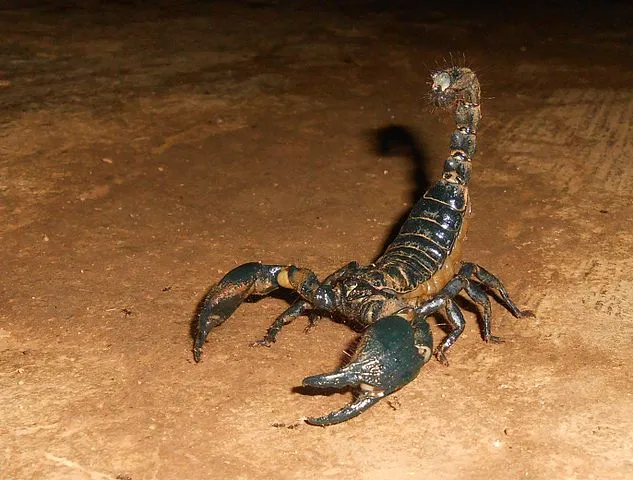
Scorpion species like the deathstalker deliver some of the most powerful stings. They are so painful and dangerous to the extent that they can cause convulsions and death if not treated. Scorpions are easily the most lethal in desert regions across Africa, the Middle East, and India.
Roundworms
Roundworms are parasitic worms that cause ascariasis, hookworms, and other helminthic infections. The most common mode of infection is through the intestines. Severe infection can lead to malnourishment, blockage of the intestines, and other severe health conditions.
Tapeworms
Infections due to tapeworms are intestinal parasites and are acquired from contaminated food or water taken inside the human body. Tapeworms can grow up to an incredible length inside the human body. Tapeworm infections can cause abdominal pain, malnutrition, and neurological damage.